Billionaire Bids Signal Potential Shift Toward Private Ownership for Major Las Vegas Casino Operators

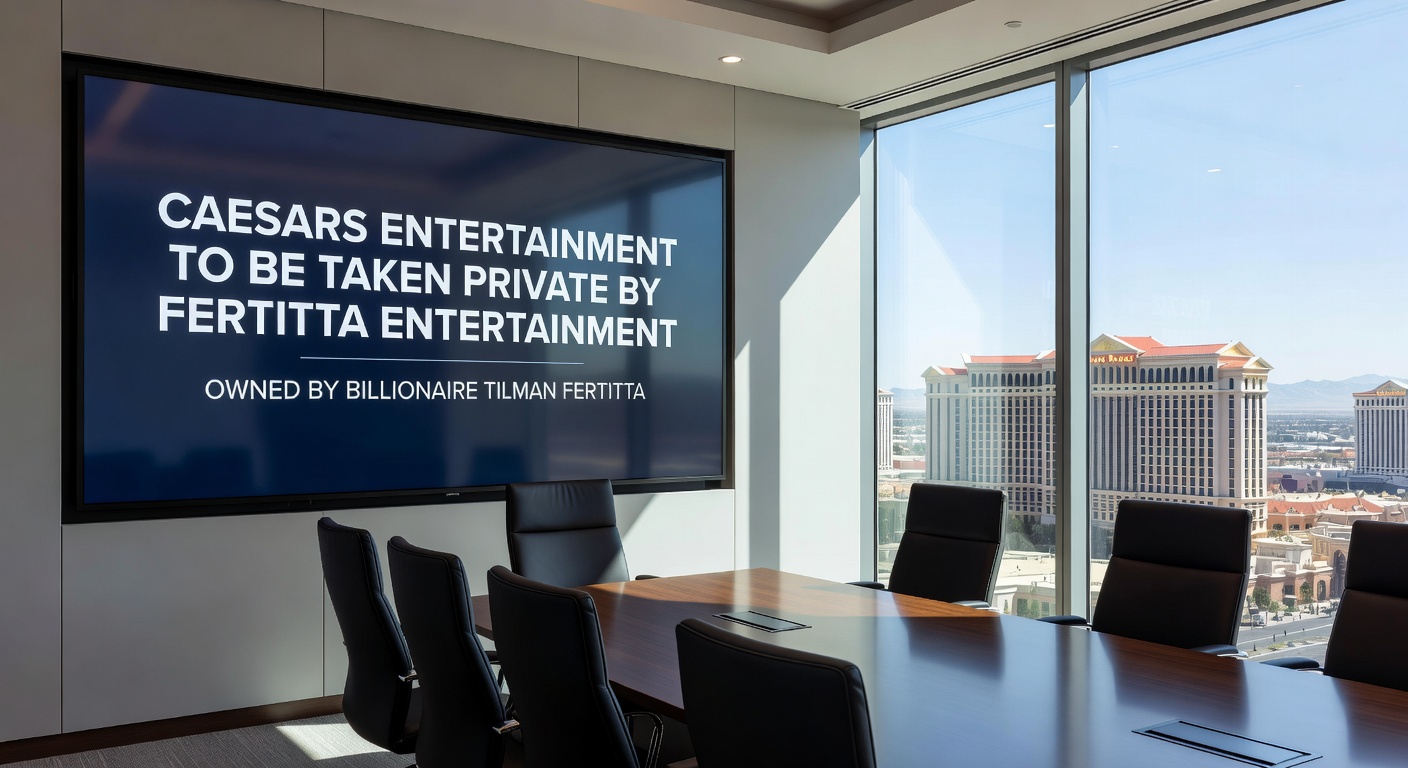
Billionaire Tilman Fertitta submitted a $17.6 billion offer to acquire Caesars Entertainment and take the company private in a transaction announced during early July 2026, while media executive Barry Diller’s People Inc. followed with a larger proposal less than a week later, according to regulatory filings and company statements.
The sequence of events underscores ongoing interest among private investors in consolidating ownership of Strip properties as several publicly traded casino operators evaluate strategic alternatives, data from the Nevada Gaming Control Board shows total gaming revenue across the Las Vegas Strip reached $7.2 billion in the fiscal year ending June 2026.
Fertitta’s Proposal Targets Full Takeover
Tilman Fertitta, through entities connected to his hospitality and gaming portfolio, structured the bid as an all-cash transaction that would remove Caesars from public markets entirely, with the offer encompassing both equity and assumption of existing debt obligations reported in the company’s most recent quarterly disclosures. Observers note the timing aligns with broader market conditions where interest rates have stabilized, allowing private capital to pursue larger-scale acquisitions in the hospitality sector.
Caesars Entertainment operates multiple properties along the Las Vegas Strip, including Caesars Palace and Harrah’s, and maintains additional regional assets across the United States, figures released by the company indicate annual revenue exceeding $11 billion prior to the announcement. The proposal includes commitments to maintain current operational structures while exploring efficiency measures typical in leveraged buyouts.
People Inc. Increases the Stakes
Barry Diller’s People Inc. responded with a competing bid valued higher than Fertitta’s offer, extending the competitive dynamic and reflecting separate strategic priorities from the media and entertainment conglomerate that has expanded into experiential leisure investments. Company representatives confirmed the proposal through formal channels, emphasizing alignment with long-term portfolio diversification goals.
This rapid succession of offers has drawn attention from analysts tracking consolidation trends, because both bids target the same core asset base and arrive within days of each other, records from the U.S. Securities and Exchange Commission confirm the filings occurred sequentially in the first half of July 2026.
Market Context for Private Ownership Moves
Publicly traded casino companies have faced pressure from activist investors and institutional shareholders seeking improved returns, while private ownership structures can reduce quarterly reporting burdens and allow longer investment horizons, data compiled by the American Gaming Association reveals several major operators have considered similar transitions in recent years. The Las Vegas market remains central to these calculations because visitor volume and per-visitor spending continue to support premium asset valuations.
Those who have studied previous privatization transactions in the gaming industry note that buyers often cite opportunities to implement operational changes without public market scrutiny, and both the Fertitta and People Inc. proposals follow that established pattern. Regulatory approval processes through the Nevada Gaming Commission would require standard background reviews and financial qualification assessments before any deal could close.
Implications for Strip Operators
Other publicly listed companies with significant Las Vegas exposure continue to monitor developments, because successful privatization of one major player could influence valuation benchmarks and encourage parallel discussions at the board level. Industry reports indicate several firms have retained advisors to evaluate strategic options amid fluctuating capital market conditions.
Employment figures tied to Caesars properties exceed 30,000 across Nevada operations alone, according to state labor statistics, so any ownership transition would trigger standard regulatory reviews focused on workforce continuity and community impact commitments already embedded in existing licenses.
Conclusion
The competing bids from Fertitta and People Inc. illustrate a concentrated period of private capital activity directed at one of the largest remaining publicly traded casino portfolios in Las Vegas, with both proposals advancing during July 2026 and subject to ongoing regulatory and shareholder processes. Further developments will depend on negotiations, financing arrangements, and approvals required under Nevada gaming statutes.